Overview
Most people’s savings strategy works the opposite of how it should. They pay bills, cover everyday spending, and then try to save whatever money is left over. More often than not, there’s nothing left to save.
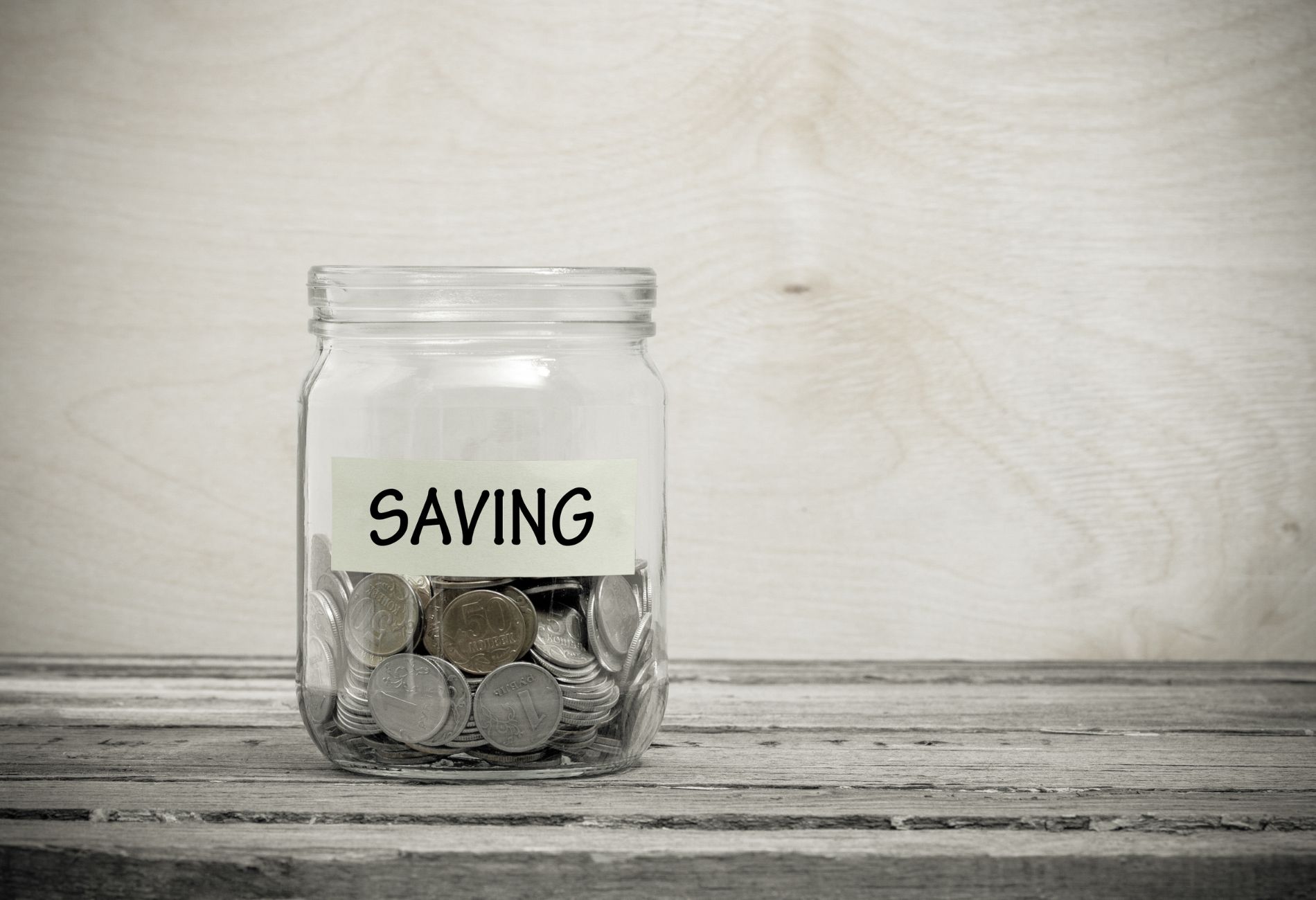
The “pay yourself first” strategy flips that approach around. Instead of treating savings like an afterthought, you move money into savings or investments as soon as you get paid.
Paying yourself first is one of the best personal finance habits out there, and it can have a huge impact over time. Whether you want to build an emergency fund, save for a major goal, or grow long-term wealth, paying yourself first helps make saving automatic and less stressful.
What Does “Pay Yourself First” Mean?
Paying yourself first means setting aside money for savings before you spend it on anything else. Instead of waiting until the end of the month to save “whatever is left,” you automatically move part of your paycheck into savings, investments, or retirement accounts as soon as you get paid.
The amount doesn’t have to be huge to work. Even saving $25, $50, or $100 per paycheck can add up over time.
This strategy works because it takes emotion and guesswork out of saving money. When savings are on autopilot, you’re less likely to spend that money elsewhere. It also helps you treat savings like a regular bill you have to pay each month instead of something optional.
Paying yourself first can also help you avoid lifestyle inflation, which happens when spending increases every time your income goes up. Instead of letting raises disappear into extra spending, you can automatically direct some of that money toward your future goals.
For example, someone who automatically transfers $100 from each paycheck into a savings account may barely notice the difference in their day-to-day spending. But over time, those automatic contributions can grow into a solid emergency fund with very little effort.
Core Benefits of Paying Yourself First
Paying yourself first may sound like a small financial habit, but it can have a surprisingly big impact over time. From reducing stress to helping you build long-term wealth, this simple strategy makes it easier to save consistently and stay focused on your financial goals.
1. Builds savings consistently
One of the biggest advantages of paying yourself first is that it helps you save consistently without relying on motivation or willpower. Even small amounts can make a difference over time.
Saving $50 or $100 from each paycheck may not feel life-changing at first, but those steady contributions can add up surprisingly fast.
2. Reduces financial stress
Having money set aside can make everyday life feel a lot less stressful. Emergency savings can also create a financial buffer for unexpected expenses like car repairs, medical bills, or a sudden job loss.
Without savings, many people end up relying on credit cards, personal loans, or buy-now-pay-later (BNPL) services when emergencies happen. Paying yourself first helps you gradually build a safety net so setbacks don’t automatically turn into debt.
3. Encourages smarter spending
When savings happen first, people naturally learn to spend what remains instead of spending freely and hoping there’s money left later. Over time, this can lead to more intentional financial decisions and better overall spending habits.
It also makes it easier to spot unnecessary expenses that may be quietly draining your monthly budget.
4. Helps build long-term wealth
Paying yourself first isn’t just about short-term savings. It can also help you build long-term wealth through retirement and investment accounts.
The earlier you start saving and investing, the more time your money has to benefit from compound growth, where your earnings begin generating earnings of their own. Even modest contributions made consistently over many years can grow substantially over time.
5. Puts financial goals within reach
Automatic savings can help turn big financial goals into manageable monthly habits. Instead of feeling overwhelmed by the total cost of a goal, you make steady progress little by little.
Paying yourself first can help you save for:
A vacation
A home down payment
Retirement
College expenses
Setting up separate savings accounts for different goals can also help you stay motivated and track your progress.
6. Fights against lifestyle inflation
One of the easiest ways to lose financial momentum is through lifestyle inflation, which happens when spending increases every time your income does. A raise at work can quickly disappear into higher shopping bills, nicer restaurants, upgraded subscriptions, or more expensive vacations. If you get a raise and head straight to the dealership to trade in your car for a nicer, more expensive model, that’s lifestyle inflation.
Paying yourself first helps prevent that from happening. By automatically directing part of every raise or bonus into savings or investments, you can improve your financial future without feeling like you’re constantly restricting yourself.
How to Start Paying Yourself First
The easiest way to make “pay yourself first” work is to create a simple system you can stick with over time. By starting small, automating your savings, and gradually increasing contributions over time, you can build better financial habits without completely changing your lifestyle.
Step 1: Build a basic monthly budget
Before you can decide how much to “pay yourself first,” you need a clear picture of where your money is going each month. Without a basic budget, you’re essentially guessing what you can afford to save.
This doesn’t need to be complicated. A simple breakdown of your income and major spending categories, like housing, utilities, groceries, transportation, debt payments, and discretionary spending, is enough to get started.
Without this step, it’s easy to set a savings target that feels good in theory but doesn’t work in real life. A basic budget gives you the foundation to choose a realistic savings amount and build a system you can actually stick with.
Step 2: Decide how much to save
You don’t need to have a crazy amount of money to save each month for this strategy to work. In fact, starting small is often the best way to build a sustainable habit.
If money feels tight right now, try saving:
$25 per paycheck
$50 per paycheck
$100 per paycheck
1% to 5% of your income
The exact amount matters less than the fact you’re getting started. Saving a smaller amount regularly is usually more effective than trying to save aggressively for a month or two and giving up. Once saving becomes automatic, you can gradually increase your contributions over time.
Step 3: Automate the process
Automation is what makes the “pay yourself first” strategy work so well. When savings happen automatically, you remove the temptation to spend the money elsewhere.
There are several easy ways to automate savings:
Split your direct deposit so part of each paycheck goes directly into savings
Set up automatic transfers from checking to savings after payday
Contribute to retirement accounts through payroll deductions at work
You can also choose different types of accounts depending on your goals. Common options include:
High-yield savings accounts for emergency funds or short-term goals
401(k) accounts through your employer
Traditional or Roth IRAs for retirement savings
Health Savings Accounts (HSAs) for future medical expenses and tax advantages
Even fully automated contributions that seem small at first can grow into considerable sums over time.
Step 4: Separate savings from spending
One simple trick that can help is keeping your savings separate from your everyday spending account. If your savings account is connected to your main checking account, it can be tempting to transfer money back whenever spending gets tight.
Some people find it easier to use a separate bank for savings altogether. When the money feels slightly less accessible, you’re less likely to dip into it for impulse purchases or non-emergencies.
Out of sight can genuinely help keep savings out of mind.
Step 5: Increase savings over time
Once you get comfortable saving consistently, look for opportunities to gradually increase the amount. Good times to boost savings include:
After receiving a raise
When you earn a bonus
After paying off debt or loans
A helpful strategy is to save at least half of every raise you receive. For example, if your paycheck increases by $200 per month, automatically directing $100 of that increase toward savings can help you grow wealth faster without dramatically changing your lifestyle.
Common Mistakes to Avoid
Even though paying yourself first is a simple habit, it’s easy to get off track if you’re not careful. A few common missteps can slow your progress or make the system harder to stick with than it needs to be.
Pitfalls include:
Trying to save more than you can afford: One of the most common mistakes is being too aggressive too quickly. If you set your savings rate too high, you may end up feeling stretched or frustrated and eventually stop altogether. It’s better to start small and build gradually than to aim high and give up.
Keeping savings too accessible: If your savings are sitting in the same account as your everyday spending money, it can be tempting to dip into them for non-essentials. Keeping savings in a separate account helps create distance between you and the money, making it easier to leave it alone.
Ignoring high-interest debt: While saving is important, high-interest debt (like credit cards) can quietly undo your progress. In many cases, it makes sense to balance saving with paying down expensive debt so you’re not losing money to interest charges.
Not adjusting over time: Your savings plan shouldn’t stay static forever. If your income increases or your expenses change, your savings rate should evolve too. Sticking with the same amount for years can mean missing out on major progress.
Giving up too soon: Finally, many people abandon the habit before it has time to work. Early savings might feel small or insignificant, but consistency is what creates real momentum. The benefits of paying yourself first build over months and years, not days.
The Point
Saving money shouldn’t depend on whatever happens to be left over at the end of the month. If it does, it usually gets pushed aside. A better approach is to make saving automatic so you’re not relying on discipline or willpower to make your savings strategy work.
You don’t need a perfect budget or a high income to begin. What matters more is building a simple system that moves money into savings before you see it or spend it. Over time, that small adjustment can quietly reshape how you handle your finances.
Even small amounts count. As your income changes, your savings can scale with it.
At its core, paying yourself first isn’t about cutting back or depriving yourself. It’s about giving your future goals the same priority as everything else you choose to spend money on today.