
Overview
As you can probably tell by headlines, mortgage rates are always moving. Some days they’re up, some days they’re down, and sometimes they’re pretty steady for a while.
What exactly causes these constant ebbs and flows, though? There are many factors at work, but the Federal Reserve’s actions are chief among them.
Here’s what you need to know about the Fed and how it can influence what rate you might pay on your next mortgage loan.
What is the Federal Reserve?
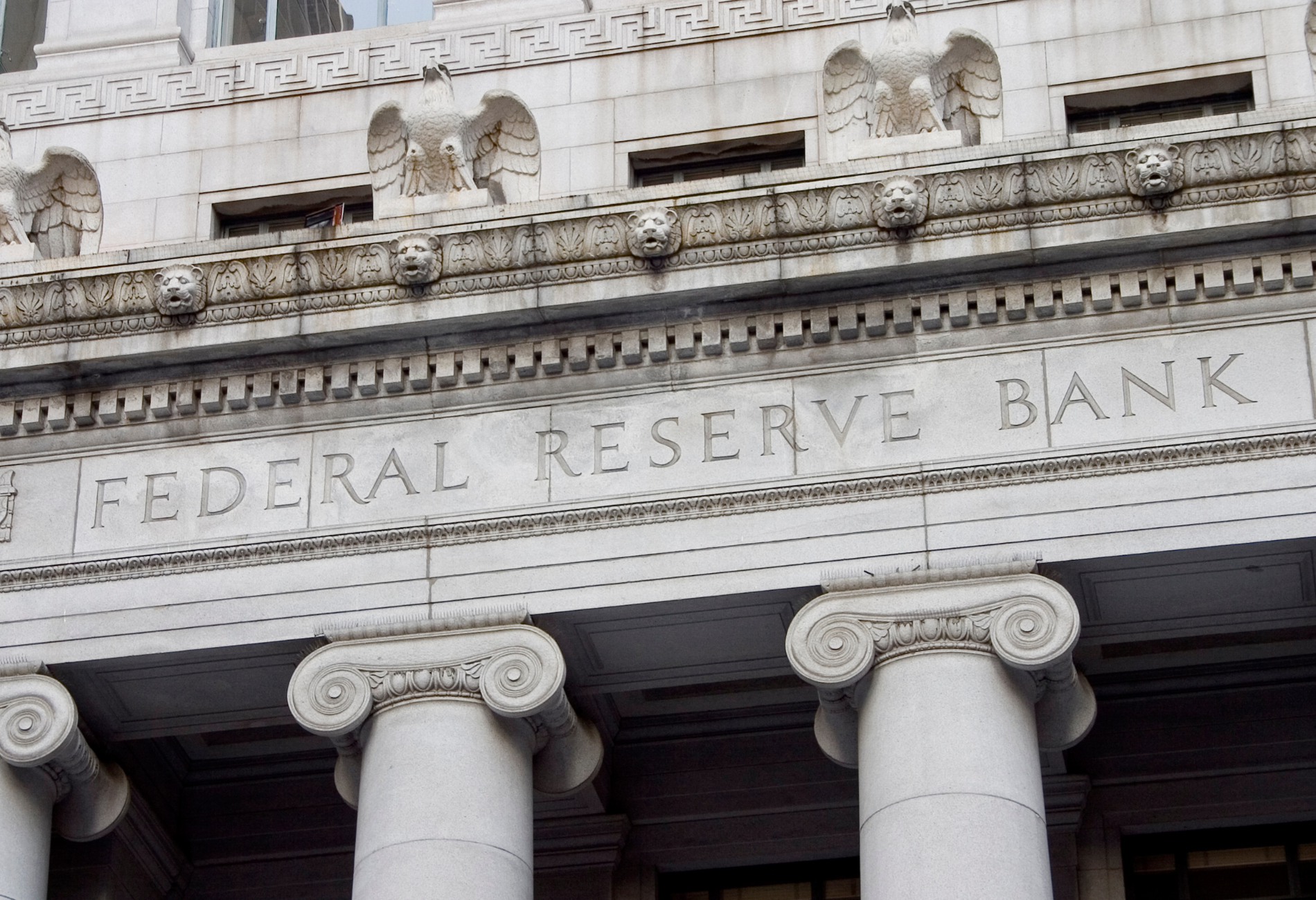
The Federal Reserve is the nation’s central bank. It’s been around since the early 1900s, and its job is to ensure the stability of the U.S. financial system. It also works to promote maximum employment and keep consumer prices and inflation in check for the American people.
One of the biggest tools in the Fed’s toolbelt is its federal funds rate, or the interest rate that commercial banks pay to borrow from each other. Because this impacts bank bottom lines, it also influences what prices banks charge to consumers on the front-end and can impact interest rates on consumer products, too — mortgages and HELOCs included.
To be clear: The fed rate isn’t changing constantly. The bank’s Federal Open Market Committee only meets eight times a year to determine whether this rate should be adjusted based on current market conditions. In 2025, the FOMC opted to reduce its rate twice, at its October and September meetings.
How the Fed Impacts Mortgages
The Fed’s moves definitely impact mortgage rates, but how influential they are depends on the type of mortgage you’re talking about.
HELOCs often see the biggest impact from Federal Reserve policies, as these are directly tied to the federal funds rate. With these types of loans, and some adjustable-rate mortgages, the bank will set a prime rate, which is the Fed rate plus a few percentage points. This is used as the base rate, and then the bank adds a margin on top of this, based on the consumer’s risk profile. Therefore, when the fed rate rises, so do rates on HELOCs, almost in lock-step.
Most longer-term mortgages, like the ever-popular 30-year, fixed-rate mortgage, aren’t as easily influenced by the Fed. While those rates do tend to move in the same direction as the fed rate, they’re not as directly correlated.
For example, the Fed reduced the federal funds rate twice in 2025, at its September and October meetings. The average 30-year mortgage rate started falling a few weeks before both the September and October meetings in anticipation of the Fed’s potential rate cut. It then rose slightly and leveled off after that. At no point was there a sudden, 25-point drop (which was the size of the Fed rate cut at each meeting).
Other Factors that Impact Traditional Mortgage Rates
With traditional, fixed-rate mortgages, a lot more comes into play than just the Fed’s moves. Economic conditions like inflation, unemployment, and the bond market are big influencers, as are investments into mortgage-backed securities.
Generally speaking, the best way to track where long-term mortgage rates are headed is to watch the 10-year Treasury yield. When this rises, mortgage rates likely will, too, and in real time. The same goes for any drops in the 10-year Treasury.
Keep in mind that your own personal financial factors can influence what mortgage rate you get, too. This includes your credit score, debt-to-income ratio, and down payment, as well as your loan/home purchase details. Those affect things like the loan amount, its term, what type of property it’s being used to buy, and how much the home is worth.
The lender you choose to work with also plays a role, as rates, fees, and loan products can vary by company.
How to Get a Lower Mortgage Rate
If you’re not happy with the mortgage rates you’re seeing but need to buy a house or refinance now, there are strategies you can use to reduce your rate.
You can:
Increase your credit score. Typically, higher credit scores equate to better interest rates.
Come up with a bigger down payment. The less you have to borrow, the lower your rate will be.
Buy discount points. These allow you to lower your interest rate in exchange for an upfront fee paid at closing.
Consider a shorter loan term. Short-term loans typically have lower rates than long-term ones. Just be prepared for a higher monthly payment.
Use a government-backed loan. FHA, USDA, and VA loans tend to have lower rates than conventional mortgages.
Shop around for your lender. Rates can vary widely between companies, so get quotes from several lenders, and don’t be afraid to negotiate.
Sometimes, working with a mortgage broker can help, too. These are mortgage professionals who do business with lots of different lenders. They can help you compare your options, prepare your application, and choose the best mortgage loan for your budget.
The Point
Mortgage rates are influenced by the Fed, as well as many other economic influencers that are always in flux. That doesn’t mean you have no control, though. Boosting your credit score, saving up for a larger down payment, and being smart about your loan and lender choice can all help you get the lowest rate possible, no matter what the market looks like.






 by your friends at The Daily Navigator