
Overview
When it comes to growing your wealth, there’s no shortage of advice out there—and a lot of it boils down to one fundamental question: How long are you willing to let your money work?
Whether you’re saving for retirement decades down the road or building up a down payment on a house next year, the strategies you choose should reflect your timeline, your goals, and your appetite for risk.
Long-term and short-term investing each come with their own playbook. Let’s break down the approaches in each camp so you can find the right combination.
Long-term vs. Short-term Investing
In broad terms, short-term investments are those you plan to hold for less than three years. Long-term investments, on the other hand, are assets you intend to hang on to for five to 10 years or more.
There’s a gray area in between called medium-term, but for the purposes of mapping out your strategy, the distinction between short and long is the most useful starting point. Knowing what you need the money for and when you’ll need it will help guide which strategies make the most sense.
Long-term Investing Strategies
Long-term investing is built on patience. You’re giving your money time to grow, compound, and recover from the inevitable dips along the way.
Here are some of the most widely used long-term strategies.
Buy and hold
Buy and hold is about as straightforward as it gets. You purchase quality assets, such as stocks, exchange-traded funds (ETFs), and mutual funds, and hold them through market ups and downs rather than trying to time your exits.
The idea is that, over long stretches, markets tend to trend upward. For context, the stock market has delivered an average annual return of roughly 10 percent since 1926, even though individual years have swung wildly in both directions.
Dollar-cost averaging
Dollar-cost averaging takes the guesswork out of when to buy. Instead of trying to invest at the perfect moment, you put a fixed amount of money into your chosen investments at regular intervals—say, every month or every paycheck.
When prices are high, your money buys fewer shares. When prices dip, it buys more. Over time, this smooths out the impact of market volatility and removes a lot of the emotional stress from investing.
If you’re starting with a smaller amount of money or want to invest specific dollar amounts regularly, ETFs may be more accessible since they don’t have investment minimums beyond the share price. However, if you’re investing through an employer retirement plan, mutual funds are often your only option.
Dividend reinvestment
Dividend reinvestment supercharges the compounding effect of your investment gains. When a stock or fund pays out dividends, you use that cash to buy additional shares rather than pocketing it.
Those extra shares then generate their own dividends, and the cycle continues. It’s a quiet, powerful way to accelerate portfolio growth without contributing extra money out of your own pocket.
Index fund investing
Index fund investing, also known as passive investing, means buying funds that track a broad market index like the S&P 500, rather than trying to pick individual winners. It’s a low-cost, low-maintenance approach that has consistently outperformed most actively managed funds over long time horizons.
Short-term Investing Strategies
Short-term strategies prioritize liquidity, capital preservation, or both. If you need your money accessible in the near future, these are the approaches to consider.
High-yield savings and money market accounts
High-yield savings accounts and money market accounts are the simplest options. They won’t deliver eye-popping returns, but they offer easy access to your cash, FDIC insurance (within limits), and interest rates that still outpace traditional savings accounts.
If you’re building an emergency fund or saving for a purchase or down payment that’s a year or two away, this is a solid starting point.
CD laddering
CD laddering is a strategy that balances yield with flexibility. Instead of locking all your money into a single certificate of deposit, you stagger multiple CDs with different maturity dates—say, three months, six months, and one year.
As each CD matures, you can either reinvest it or use the cash, giving you periodic access to your funds while still earning higher rates than a standard savings account.
Treasury bills and short-term bonds
Treasury bills and short-term bonds are low-risk, government-backed instruments ideal for parking money you’ll need within a few months to a couple of years.
T-bills, in particular, are considered among the safest investments available and are commonly used as a benchmark for short-term interest rates. You can also look into municipal bonds in your state, which can offer tax-advantaged interest payments.
And if you want to simplify things, you could consider short-term bond funds, which give you exposure to a wide range of bonds, diversifying your portfolio.
Swing trading
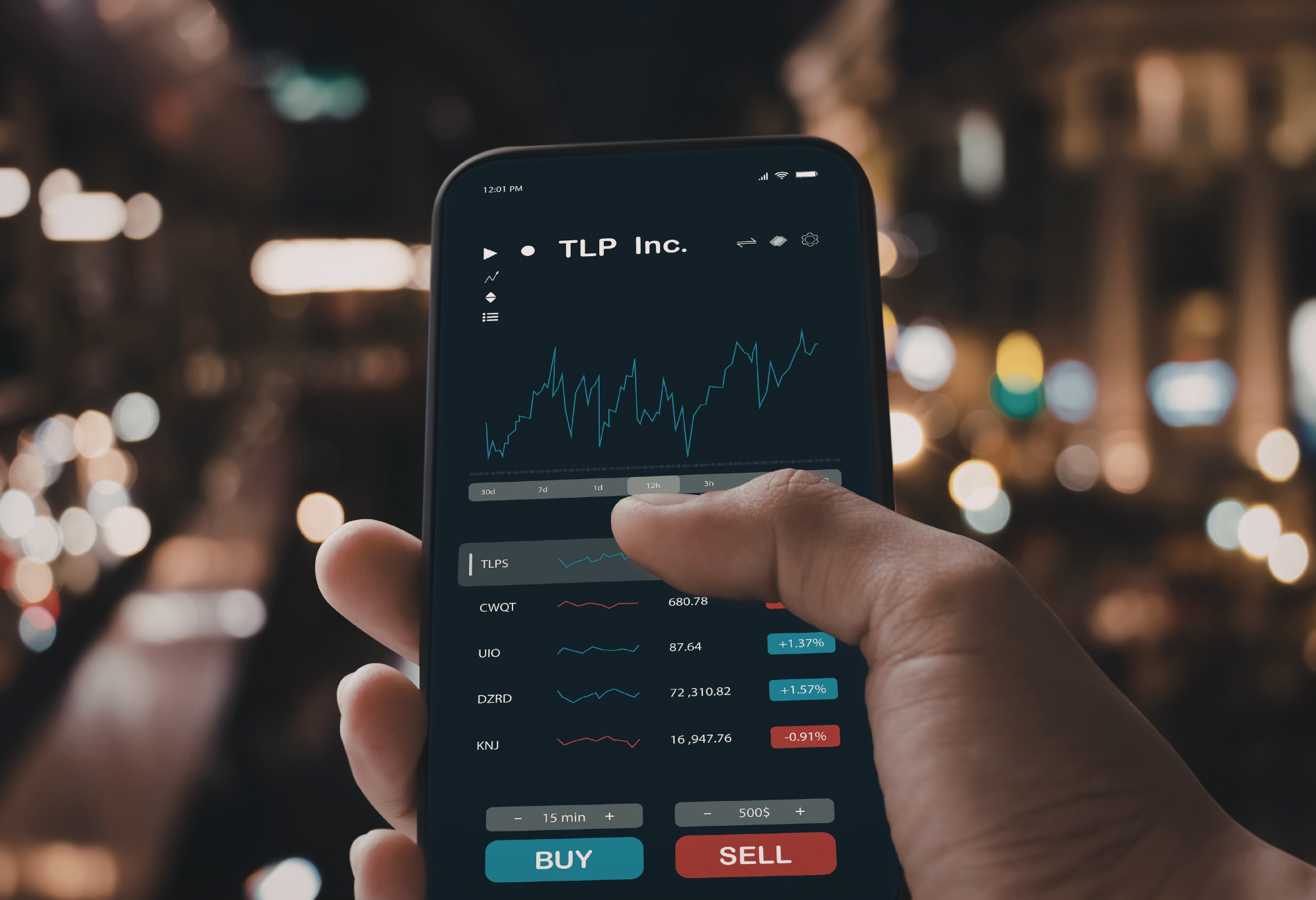
Swing trading involves holding stocks or ETFs for a period of one day to weeks, aiming to capture profits from short-term price movements. Swing traders typically rely on technical analysis to identify entry and exit points, and the strategy demands regular monitoring and a willingness to act quickly.
It can be profitable, but it requires deep market knowledge, constant attention, and a strong stomach for volatility. For most casual investors, the transaction costs and risk of poorly timed decisions are more likely to eat into returns than boost them.
Momentum trading
Momentum traders ride stocks that are already trending upward based on technical indicators, with the goal of selling before the trend loses steam.
It’s a strategy that can produce solid gains when the timing is right, but it demands a sharp eye, fast decision-making, and significant market expertise. Like swing trading, it carries enough risk that most everyday investors are better served by more passive approaches.
Risks and Trade-offs to Consider
No strategy comes without its downsides, and being honest about the risks on both sides is essential:
-
Short-term investing: Active trading carries the challenge of market timing, which is notoriously difficult to get right consistently. What’s more, it’s easy to make impulsive decisions driven by fear or excitement rather than logic. Also, transaction costs can add up when you’re trading frequently. Even with safer short-term vehicles like savings accounts, money market funds, and CDs, the returns may not keep pace with inflation over time—meaning your money could quietly lose purchasing power.
-
Long-term investing: This approach requires a different kind of discipline. Your capital is tied up for years, which means you’ll need to resist the urge to sell during downturns. There’s also opportunity cost to consider; money locked into a long-term position isn’t available for other uses.
Perhaps the biggest risk for both camps is behavioral. In 2024, for instance, the S&P 500 provided a 25.02% return, but the average stock investor earned just 16.54% on their portfolio, according to research firm Dalbar.
Experts suggest that this persistent gap comes down to human nature. Investors tend to pour money into the market when prices are high and optimism is running hot, then pull out when things dip and fear takes over. That pattern of buying high and selling low, repeated over time, quietly erodes returns regardless of which strategy you’re following.
Staying the course, whether your strategy is short-term or long-term, is easier said than done.
Building a Blended Approach
Here’s the good news: you don’t have to choose one lane and stay in it. Most financial professionals recommend a blended approach that combines strategies across different time horizons.
Start by securing the basics: an emergency fund, a plan for managing debt, and consistent retirement contributions. Once those boxes are checked, you can layer in additional strategies based on your goals.
Think of it as a core-and-satellite model. Your core might be low-cost index funds and retirement accounts designed for long-term growth. Around that, you maintain shorter-term instruments, such as CDs, T-bills, or a high-yield savings account, for goals closer on the horizon.
If you’ve got disposable income and a genuine interest in active trading, a small allocation can scratch that itch without putting your broader financial health at risk. Here are some steps you can take to define your strategy and start investing:
Define your financial goals and attach a timeline to each one.
Be honest about your risk tolerance, not just intellectually, but also emotionally.
For long-term growth, start with low-cost index funds and let compounding do the heavy lifting.
Keep short-term savings in low-risk, liquid vehicles like high-yield savings accounts or T-bills.
Revisit and rebalance your portfolio at least once a year.
When in doubt, consider consulting a financial advisor for guidance tailored to your situation.
The Point
There’s no single right way to invest. The best strategy is the one that aligns with your goals, fits your risk tolerance, and, crucially, is one you can actually stick with when markets get bumpy. Whether you lean toward the slow-and-steady long game, the flexibility of short-term plays, or a thoughtful blend of both, the most important step is simply getting started.