Overview
When it comes to your finances, the biggest improvements often come from small, repeatable actions you can stick with over time. The way you manage everyday decisions — paying bills, spending at the grocery store, and setting money aside for the future — matters far more than any one big move you make.
But building good money habits can still feel daunting. Many people were never taught how to budget, save money, or avoid debt in a practical way. Fortunately, building better money habits doesn’t mean cutting out everything fun or obsessing over every dollar. It’s about creating systems that make smart choices easier and reduce financial stress.
The following strategies to build positive money habits focus on consistency, awareness and planning ahead. When followed together, they can help you feel more in control of your finances, reduce money mistakes, and build a stronger foundation (and real wealth!) over time.
7 Ways to Build Good Money Habits
Create a Monthly Budget
Track Your Expenses
Actively Avoid Debt
Pay Bills Early or On Time
Wait 24 Hours Before a Purchase
Automate Savings and Investments
Build Emergency Savings
Create a Monthly Budget
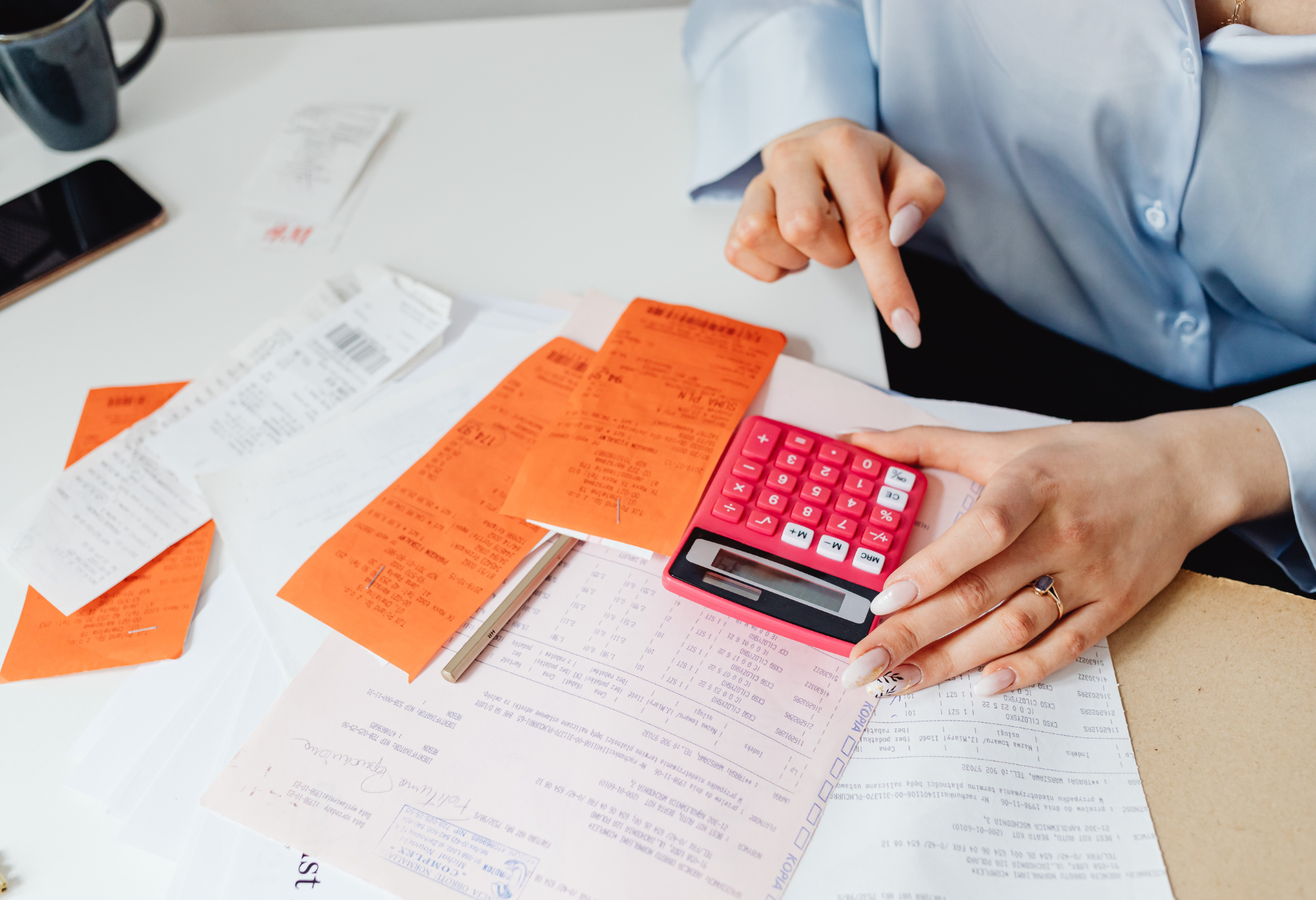
Without a monthly budget that lists all your income and expenses, it is hard to know where your money is going or whether you are spending more than you earn. But a budget does not have to be complicated for it to work. At its core, a budget is nothing more than a plan for how you will use your income each month.
To create a monthly budget, you will list your take-home pay in one column on a sheet of paper. Then write down your regular expenses, such as rent or mortgage payments, utilities, insurance, groceries, transportation, and minimum debt payments in another column. After that, add categories for things like dining out, entertainment, and personal spending. The goal is to make sure every dollar has a job, whether it is paying bills, covering daily expenses, or going toward savings.
If traditional budgeting feels overwhelming, you can also try a simple method like the 50/30/20 rule. With this approach, about 50 percent of your income goes to needs, 30 percent goes to wants and “fun,” and 20 percent goes to savings and debt repayment. If you prefer digital tools, you can also use budgeting apps or spreadsheets to create a monthly budget instead.
The key is not perfection. Your first budget will probably need adjustments, and that is normal. What matters is reviewing it regularly and making changes as your income or expenses shift.
Track Your Expenses
While creating a monthly budget and writing down expenses can help you get ahead, there’s another step to take from there — actually tracking where your money goes throughout the month. The fact is, many people are surprised when they see how much they actually spend on things like takeout, subscriptions, and impulse purchases.
You can track expenses in several ways. Some people use budgeting apps that automatically pull transactions from their bank accounts. Others prefer writing things down in a notebook or updating a spreadsheet.
Whatever method you decide, start by tracking every expense for at least one full month. Include everything, even small purchases like coffee, convenience store snacks, and quick purchases on Amazon.com. These small expenses often add up faster than expected.
Once you see your spending patterns, look for areas where you might want to make changes. You do not need to cut out all fun spending, but you may decide to limit certain categories so you can put more money toward savings or debt repayment.
Actively Avoid Debt
Avoiding debt whenever possible is one of the strongest money habits you can build. While some debt, like a mortgage or student loans, may be necessary, high-interest debt can quickly drain your finances and create long-term stress.
Credit cards are one of the most common sources of costly debt. Interest rates are often high, which means balances can grow quickly if you only make minimum payments. Using credit cards responsibly means paying your balance in full each month and avoiding purchases you cannot afford with cash.
Before taking on new debt, ask yourself a few questions. Is this purchase necessary? Is there a way to save up instead? How will this payment affect your monthly budget? Being intentional can help you avoid debt that does not add real value to your life.
If you already have debt, make a plan to pay it down. Focus on high-interest balances first or use a method that keeps you motivated, such as paying off smaller balances to build momentum.
You can also consider using a personal loan or balance transfer credit card to consolidate and pay down high-interest debt, but make sure you have a plan to become debt-free over a specific timeline. And if you’ve struggled with credit card debt, you will likely want to avoid using credit cards altogether.
Pay Bills Early or On Time
Paying bills on time is a simple habit that can have a big impact on your financial health. After all, late payments on bills and loans regularly come with fees, higher interest rates, and potential damage to your credit score.
One way to stay organized is to keep a list of all your bills and their due dates. This can include rent or mortgage payments, utilities, credit cards, loans, and subscriptions. Reviewing this list at the start of each month can help you plan ahead.
Paying bills early can also reduce stress. Instead of worrying about due dates throughout the month, you can handle them as soon as your paycheck arrives. If paying early is not possible, aim for on-time payments at a minimum.
Setting reminders or using automatic payments can also help prevent missed due dates. Even one late payment can have lasting effects on your credit, so you should do everything you can to avoid it.
Wait 24 Hours Before a Purchase
Impulse purchases are one of the biggest obstacles to building good money habits, and that’s particularly true when it comes to purchases we can make on our phones. Ultimately, waiting 24 hours before making a non-essential purchase can help you avoid buying things you do not really need.
This 24-hour pause gives you time to think after you’re shown a Facebook ad for something you want. After a day, you may realize the item is not as important as it first seemed. In many cases, the urge to buy fades on its own.
If the item is still on your mind, ask yourself a handful of important questions. Do I actually need this? Does it fit into my budget? Would I still want it next week? If the answer is “yes” and you have room in your budget after a full day, you can move forward knowing you thought things through.
Also note that this habit does not mean you can never spend money on fun or convenience. Instead, it helps you spend more intentionally and avoid financial waste.
Automate Savings and Investments
Automation makes saving money easier because it removes the need to rely on willpower. When savings and investments happen automatically, you stay consistent and get used to having less “take-home” pay in your account to spend.
Start by setting up automatic transfers from your checking account to a savings account each payday, and remember that even a small amount of regular savings adds up over time. If your employer offers a retirement plan, such as a 401(k), set up contributions directly from your paycheck so you never even see the money.
Instead of saving what is left at the end of the month, you save before spending. This shift can make a big difference in how quickly your savings grow.
You should also plan on adjusting automated amounts as your situation changes. As you pay off debt, save up larger amounts of money, or start earning more, you can begin moving a larger amount of money into savings and investments each month. Either way, the goal is to make saving feel routine, not like a constant decision you have to think about.
Build Emergency Savings
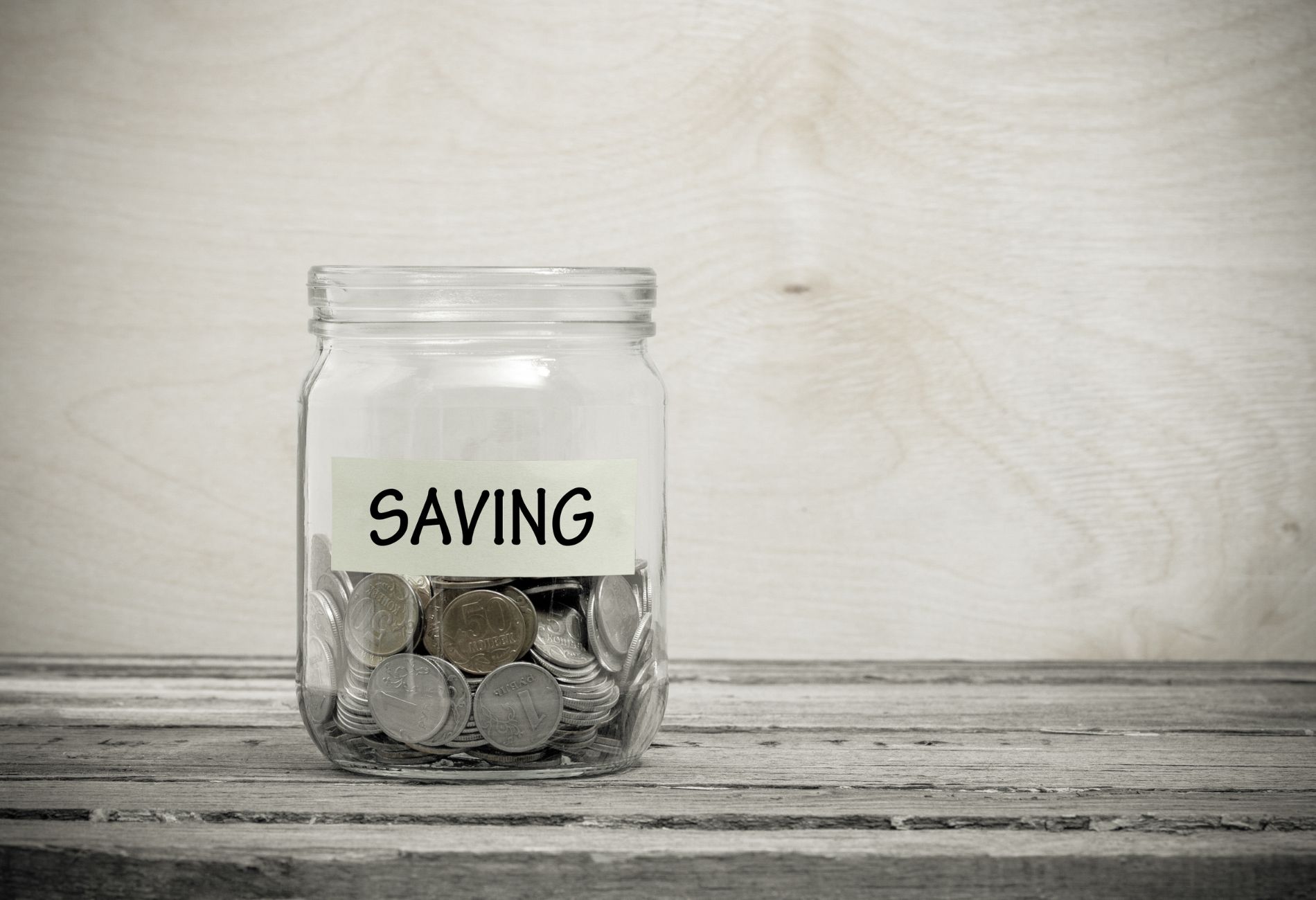
A fully stocked emergency fund can protect you when unexpected expenses arise. Car repairs, medical bills, and job disruptions can happen to anyone, and having savings can prevent you from relying on credit cards or loans.
Where should you begin? A good starting goal is setting aside $500 to $1,000 for small emergencies. Once you reach that milestone, you can work toward building three to six months’ worth of essential expenses or even more than that.
Make sure to keep your emergency savings in a separate account that is easy to access but not too tempting to spend. High-yield savings accounts are a popular option because they offer better interest rates while keeping funds liquid, but you can also look into money market accounts. Certificates of deposit (CDs) for some (but not all) of your savings can also make sense as long as you keep part of your emergency fund liquid at all times.
Building emergency savings takes time, and that is okay. Just make sure you’re actively saving each month toward emergencies, and that you’re moving that money into an account you don’t plan to touch.
The Point
Building good money habits does not happen overnight, and it does not require perfection. What matters most is taking small, steady steps and staying on track even when life throws a wrench in your plans.
By creating a monthly budget, tracking your spending, and avoiding unnecessary debt, you gain a clearer picture of where your money goes and how to use it more wisely. From there, paying bills on time, pausing a full 24 hours before big purchases, and automating savings help reduce stress and prevent common money mistakes. An emergency fund adds even more security by filling in the financial gaps when surprise expenses hit.
Over time, these simple habits can lead to better control over your financial life, fewer financial bumps, and a stronger sense of stability. The goal is not to be perfect with money, but to build systems that make your finances easier to manage.