Overview
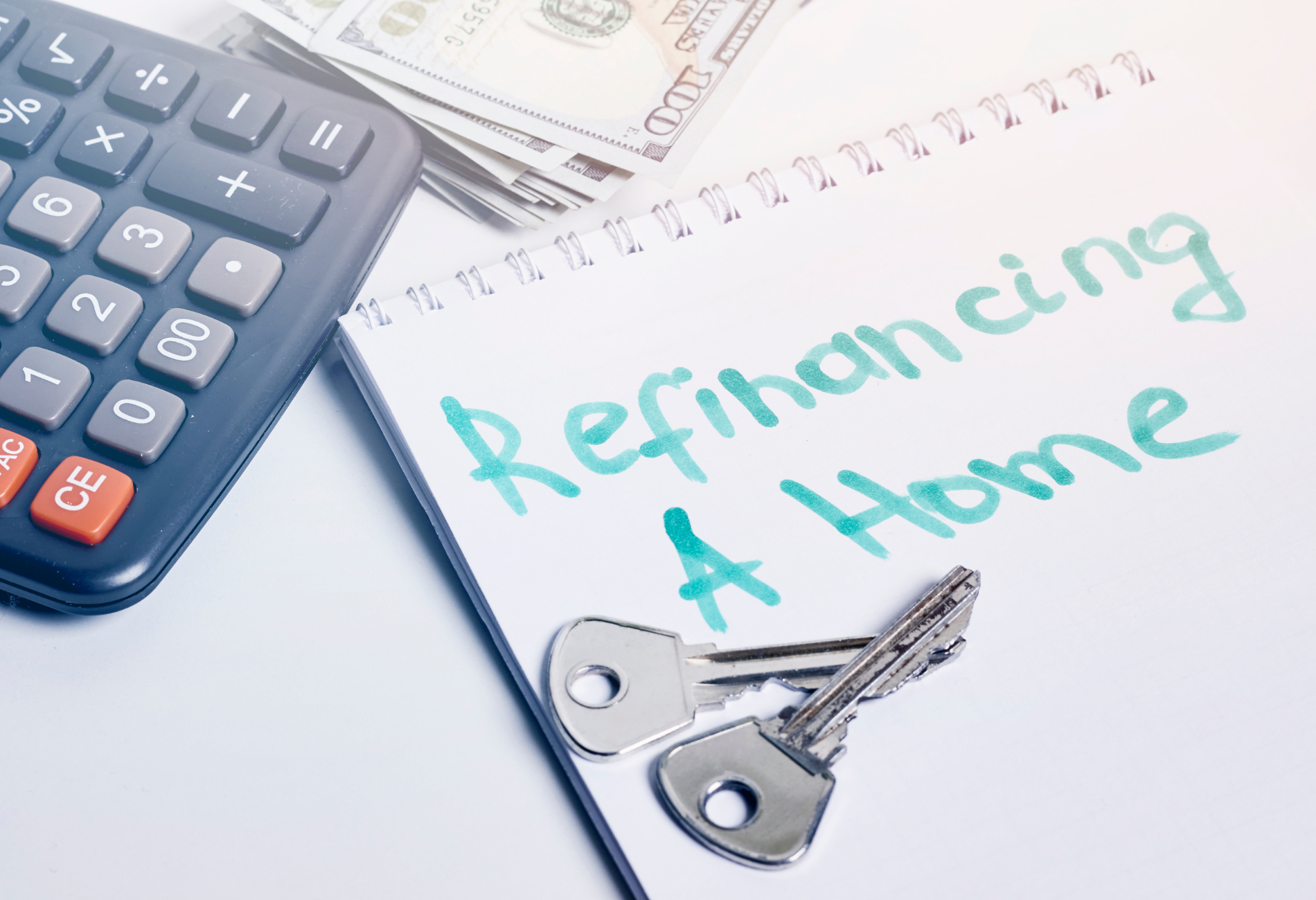
Refinancing is when you replace your mortgage loan with a new one, complete with a new rate, terms, and other details. A cash-out refinance is when you replace your mortgage loan, but you also get a lump sum of cash in return.
It’s an option you might explore if you need to cover home repairs or pay off high-interest debts. Or you may do it if you’re looking to cover some unexpected costs or your child’s college education.
Either way, it’s a viable option for some homeowners. Here’s what you need to know about this option and when it might be a good move for your finances.
How Cash-Out Refinancing Works
Cash-out refinancing replaces your existing mortgage loan with a larger one. Your new loan is used to pay off your old one, and you get the difference between those two balances in cash.
Here’s an example: Say you have a mortgage balance of $150,000 right now. You do a cash-out refinance, taking out a $250,000 mortgage instead. After closing, you’d get that $100,000 difference ($250,000 minus $150,000) as a cash payment.
You’ll also get a new rate and term when you do a cash-out refinance. This means your payment will likely change, too.
Pros
The main advantage of cash-out refinancing is that you can turn your equity into cash and get money when you need it. It will also usually come at a lower interest rate than other financial products can offer (for example, credit card rates and personal loan rates are much higher), so it can save you money when you’re in a pinch.
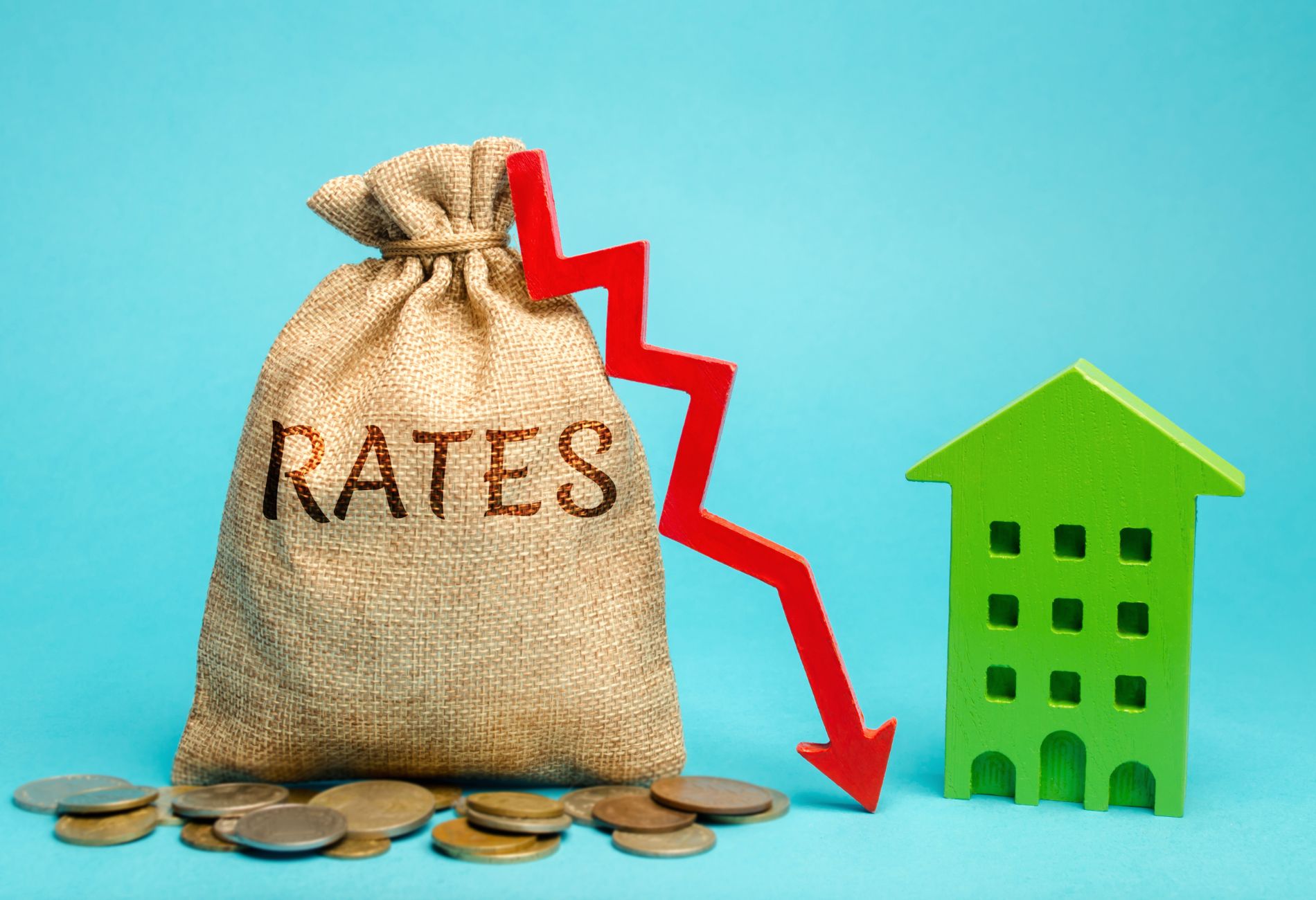
Cash-out refinancing can also allow you to take advantage of lower interest rates if mortgage rates have fallen since you first took out your loan. This can save you on interest over the long haul.
Last but not least, the interest on a cash-out refinance is deductible, as long as you use the money to “buy, build, or substantially improve” your house.
Cons
On the downside, cash-out refinancing means increasing your mortgage balance, which could send your payment up and result in more long-term costs (though it depends on your rate and term).
It also comes with closing costs, usually about 3 to 6% of your new mortgage balance, and there could be a prepayment penalty for paying off your loan too early. Depending on market conditions, it could also mean replacing your interest rate with a higher one, and it would also mean starting your repayment term over from the beginning. With amortized loans like mortgages, that would mean the bulk of your payments would go toward interest for a while.
Finally, cash-out refinancing means reducing the equity you have in your home. This could mean fewer profits when you sell your home, or it could even put you underwater on your mortgage if your home loses value. (Essentially, you’d owe more on the home than it’s worth.)
Pros
- Turns your equity into cash
- Can be used for any purpose
- Often comes with a lower rate than other borrowing products
- May allow you to reduce your interest rate
- May come with tax advantages
Cons
- Increases your loan balance and potentially your monthly payment
- Requires replacing your loan’s rate and terms, which may not be beneficial depending on market conditions
- Restarts your repayment timeline
- Reduces your equity and increases your change of going underwater on your mortgage
- Comes with closing costs
- Reduces your sale proceeds
- There may be prepayment penalties
When Cash-Out Refinancing Makes Sense
Cash-out refinancing would make sense if you need cash, have plenty of equity in your home, and market interest rates are not significantly higher than what you have on your current mortgage loan. Having strong home values in your area is also an important factor to consider, and you’ll also need funds to cover your closing costs.
It might not be a good idea if refinancing would mean trading in a low rate for a much higher one, or if home values are falling in your community. This increases the risk that you owe more on your house than it’s worth later on. You also may not want to pursue a cash-out refinance if there’s a prepayment penalty, you plan to move soon, or if you’re very far into your loan term, as it would mean restarting the clock on your payoff timeline and make it harder to build equity.
Alternative to Cash-Out Refinancing
If you’re looking for a way to access your home equity, cash-out refinancing is only one option.
You can also turn your home equity into cash with one of these products:
Home equity loans – These give you a lump sum payment out of your home equity, which you can use however you like. They typically have fixed interest rates, and you repay the loan over equal monthly payments.
Home equity lines of credit (HELOCs) – These turn your home equity into a credit line that you can withdraw money from over an extended period of time. They usually come with variable rates, and you’ll only pay interest on the money you withdraw (not the full credit line).
Home equity sharing agreements – These let you sell a portion of your home’s future value in exchange for a lump sum from an investor. There is usually a fee associated with these agreements as well.
Reverse mortgages – Older homeowners have a fourth option at their disposal: The reverse mortgage. These loans turn your equity into a credit line, regular monthly payments, or a lump-sum payment. You don’t repay the loan until you move out, sell the house, or pass away.
Keep in mind that reverse mortgage loans are only an option for seniors (62+ for government-backed reverse mortgages and 55+ for some private reverse mortgages).
Consult a Pro
If you’re not sure whether a cash-out refinance is right for you, or if you need more guidance on tapping your home equity, then consider talking to a mortgage professional or financial advisor. They can help point you in the right direction for your goals and budget.