

Overview
We talk credit cards, points, and miles a lot. Literally all the time, actually. And as much as we like to think we’re offering the best advice we can, we know this corner of the internet can be a little confusing.
Each product we discuss has its merits, whether it’s a high-end luxury perk-laden card or a simple cashback offering, and trying to decipher which is best for you is tough. But generally speaking, depending where they are on their own journey, everyone comes back around to two simple questions: “What’s the best travel card out there?” and “Which card should (almost) everyone have?”
But wait…aren’t they both kind of the same question?
Let me explain…
The Question Matters
Asking what card is “the best” is different from asking which you should open right now. The “best card” can offer amazing earnings, a strong bonus, and even throw in some perks, but it still might not be the right card for you to open right now.
There are many reasons why that might be the case. Here are a few that immediately come to mind:
You may already have a card that covers the majority of the above criteria
There could be a specific bonus on another card that makes opening that one now more valuable than having the “best card.”
It may just come down to personal habits
Still, with the two questions in mind, I’ll try to answer both for this specific moment in time.
Then rewrite it again in a few months. Oh well.
What’s the Best Travel Card?
By travel card, we mean a credit card product that’s geared primarily towards travelers and earns points or miles instead of traditional cashback. It could be a general card with transferable points, or an airline, or hotel specific one.
In this case, we’re going for a general travel card, as these are usually the most valuable.
The best travel card: Chase Sapphire Preferred® Card
If we’re whittling things down to one card, the Chase Sapphire Preferred® Card comes out on top. If you know credit cards well, you might agree, but you may also question why a more premium option with heavy perks doesn’t come out on top.
There’s a simple reason for that.
The Sapphire Preferred offers value for any type of traveler.
For beginners, it’s the perfect entry point to serious earnings. For seasoned pros, it fits perfectly into a broader lineup. The intro bonus is strong, the earning rates are high, and the annual fee is palatable.
The Bonus
The bonus alone is enough to draw most to the Sapphire Preferred. Offering 100,000 valuable bonus points after spending $5,000 within three months, it’s no small chunk of change. Used well, that bonus could stretch well over $2,000 thanks to Chase’s super valuable transfer partners.
Earning Rates
This is where the card earns its long-term wallet position. With 5x on travel purchased through Chase TravelSM, 3x on dining, 3x on vacation homes, 3x on gas & EV charging, 3x on top streaming services and online groceries (excluding Walmart, Target, and wholesale clubs), 2x on all other travel purchases, and 1x on all other purchases, it offers both a strong gateway for new faces to the points and miles space and a solid tool for those with multiple cards.
Even if you have a card with higher dining earnings, like the Amex Gold, it works as an excellent backup abroad, where American Express is often not accepted. Comparing with a similar-priced card like the Capital One Venture Rewards Card, it offers better dining and matches the travel aspect. Chase’s points are more valuable than Capital One’s, too, so you can make the call in any given scenario.
The Annual Fee
The bow tying this card up in a welcoming package is the $95 annual fee. For what it costs, it packs a serious punch and offers multiple ways to earn back the fee. The bonus alone is worth almost ten years of the fee.
I’ve had this card in my own wallet for almost five years, and I have no reason for that to change anytime soon.
- Best for: Beginner Travelers

- Annual Fee: $95
- APR: 19.24% - 27.49% Variable
- Reward Rate: 1X - 5X
- Recommended Credit: Good to Excellent
Chase Sapphire Preferred® Card
75,000 Bonus Points
Offer Details:
Earn 75,000 bonus points after you spend $5,000 on purchases in the first 3 months from account opening.
Why we like it
The Chase Sapphire Preferred Card is the ultimate all-around travel credit card. It fits perfectly into almost any points-earner’s wallet. Points novices can enjoy a significant intro bonus and easy to grasp spending categories with an approachable annual fee. The more experienced can utilize its high value earning potential as a secondary card and also gain access to Chase’s strong travel booking portal.
Reward details
5x on travel purchased through Chase Travel℠
3x on dining
3x on vacation homes
3x on gas & EV charging
3x on top streaming services and online groceries (excluding Walmart, Target, and wholesale clubs)
2x on all other travel purchases
1x on all other purchases
Pros & Cons
Pros
Earn up to $100 in statement credits each account anniversary year for hotel stays through Chase Travel, which already negates the annual fee.
Statement credits for Apple TV and DashPass
Cardholders also have access to a string of travel protections like rental coverage, cancellation insurance, and purchase protection.
Cons
It’s subject to Chase’s 5/24 rule. So, if you’ve opened five cards in the last two years, you’re most likely not going to be accepted.
Competing cards like the Capital One Venture have a better earning rate for non-bonus spend.
Terms Apply
Which Card Should (Almost) Everyone Have?
While the Chase Sapphire Preferred is a card I think almost everyone should have in their wallet, there’s no specific reason why it should be opened now as opposed to a few months from now or even next year. If your game is looking good, you can prioritize different things and pounce on a card that’s making the present seem prime.
Speaking of prime…that’s exactly the card we’re talking about.
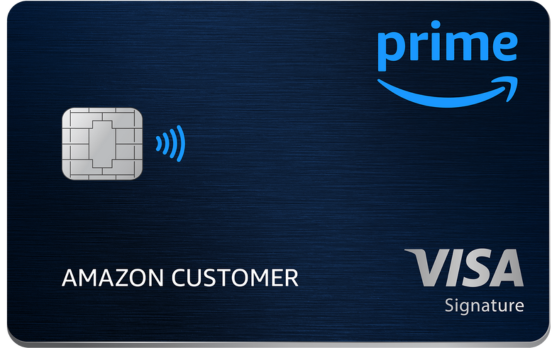
The best card to open: The Prime Visa
This is a vastly different kind of card from the Sapphire Preferred. In fact, it’s not even a travel card. But that doesn’t mean it’s not worth opening. After all, saving a few hundred bucks a year leaves you with more cash to spend on your next trip.
But why is the Prime Visa so good?
Simply put, because almost everyone shops on Amazon, and everyone likes free money. This card leans into both of those facts.
The Bonus
The Prime Visa is currently offering a $150 Amazon gift card to Prime Members as soon as they are approved for the card. Literally seconds after your application, an email will hit your inbox, and you’re good to go.
Seriously. It’s that easy.
This card doesn’t have an annual fee either, and there’s no spending threshold, so it’s yours immediately, no strings attached. There’s a lot of stuff on Amazon for $150. Be practical or treat yourself; either way, it’s a great deal.
The Earning Rates
If you’re a regular Amazon.com shopper (and let’s face it, most of us are these days), you’ll earn a staggering 5% cashback on every purchase. While it is cashback and not transferable points, it’s unlikely you’ll find a travel rewards-earning product that will earn anywhere close to that. You’d need to guarantee you had a redemption value of over 3 or 4 cents per point if you were to maximize it, and that’s not always likely.
So in this case, it makes sense to have a cashback card, get a solid return, and use that towards whatever the heck you feel like. It’s also got the same earning rate at Whole Foods if you’re into kombucha and overpriced nuts.
I don’t know how long the Prime Visa will keep up the bonus. It’s already raised and dropped the figure twice, and in these cases, waiting can mean you lose out. That’s why I recommend opening this card right now.
- Best for: Regular Amazon customers
- Annual Fee: $0
- APR: 18.74% - 27.49% Variable
- Reward Rate: 1%-10%
- Recommended Credit: 670-850
Prime Visa
$150 Amazon Gift Card
Offer Details:
Get a $150 Amazon Gift Card instantly upon approval, exclusively for Prime members
Why we like it
The Prime Visa is one of the few store cards that pulls it weight. With a whopping 5% cashback on Amazon purchases, those with an itchy trigger finger when it comes to online shopping can reap some serious rewards. It may not be a points-earning product, but few other cards can come close to the value offered on Amazon spending. Its introductory offer of a $150 Amazon gift card is a nice addition, considering it has no spending requirement.
Reward details
Prime Card Bonus: Earn 10% back or more on a rotating selection of items and categories on Amazon.com with an eligible Prime membership
Earn unlimited 5% back at Amazon.com, Amazon Fresh, Whole Foods Market, and on Chase Travel℠ purchases with an eligible Prime membership
Earn unlimited 2% back at gas stations, restaurants, and on local transit and commuting (including rideshare)
Earn unlimited 1% back on all other purchases
Pros & Cons
Pros
High cashback rate on Amazon
Strong intro offer with no spending requirement
No annual fee
Cons
Need an Amazon Prime membership to earn rewards
Few perks
Less useful beyond Amazon
Terms Apply
The Point
Both the Chase Sapphire Preferred and Prime Visa are immensely useful cards. The former, for long-term travel rewards and an epic bonus at a fair annual fee; the latter, for immediate savings and a strong niche spending category to complement your other cards. Take a look at both and see if one of them makes sense for you.